

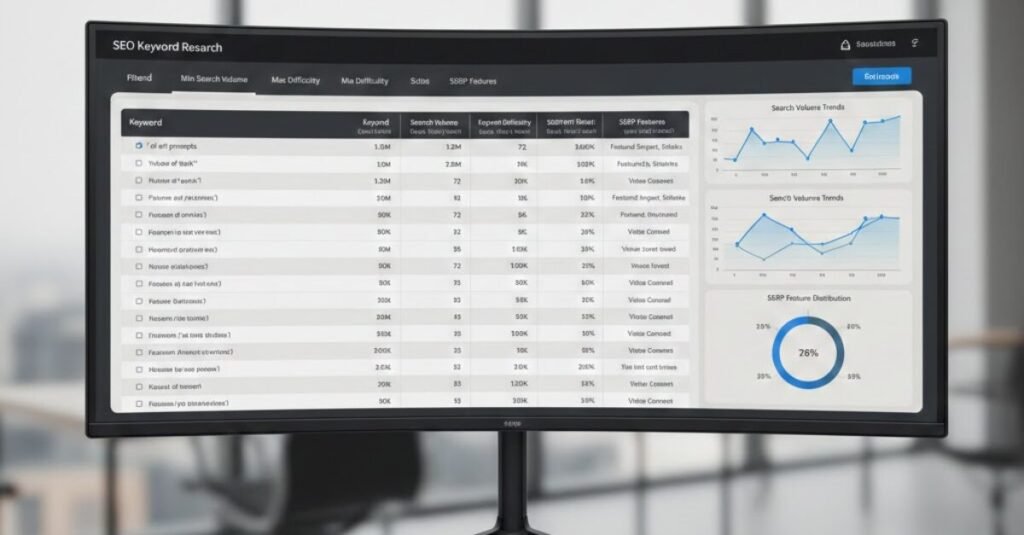
Ahrefs has announced a significant upgrade to its Keyword Explorer, introducing new filtering options alongside a faster and more frequent data refresh cycle. While the update may look incremental at first glance, it directly addresses long-standing frustrations among SEO professionals who rely on keyword data to make time-sensitive decisions.
For agencies, publishers, and in-house SEO teams, keyword research is only as valuable as its accuracy and freshness. Ahrefs’ latest move signals a deeper shift toward real-time search intelligence rather than static keyword snapshots.
What’s New in Ahrefs Keyword Explorer
The update focuses on two core improvements: more granular filters and fresher keyword data.
Advanced Keyword Filters
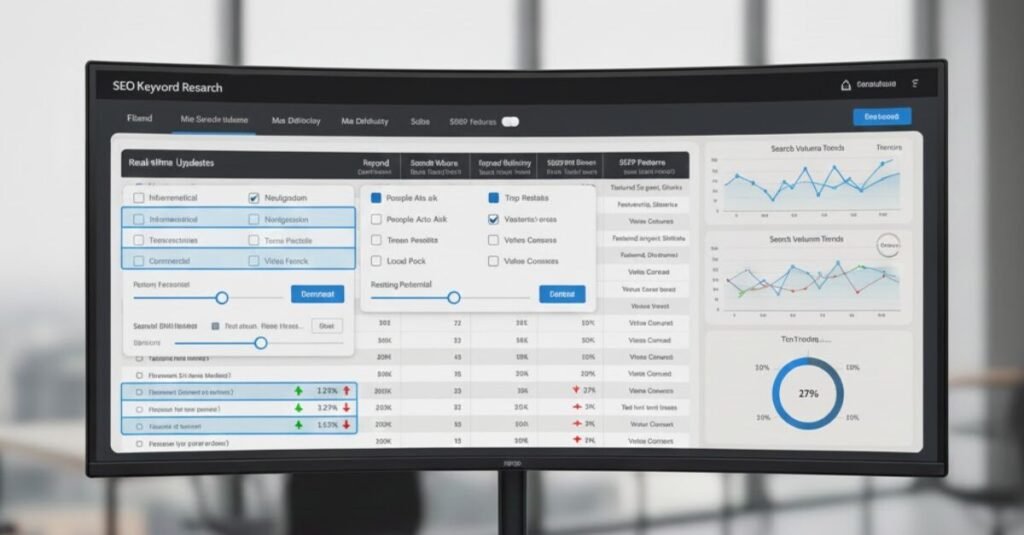
Ahrefs has expanded filtering capabilities to help users isolate keywords that align more closely with real search intent and ranking feasibility. The new filters allow SEOs to:
- Narrow keywords by specific SERP features (featured snippets, People Also Ask, AI answers, etc.)
- Filter by ranking potential, not just raw search volume
- Separate informational, commercial, and transactional intent more clearly
- Identify keywords with low volatility versus rapidly changing SERPs
This makes Keyword Explorer more practical for strategic planning rather than just idea generation.

Faster Data Refresh
Previously, keyword metrics could lag behind fast-changing trends, especially in competitive niches. Ahrefs now reports a shorter refresh cycle, meaning:
- Search volume updates arrive more frequently
- Ranking difficulty scores adjust faster to SERP changes
- Emerging keywords surface earlier
For SEOs working in news-driven industries, SaaS, or ecommerce, this reduces the risk of building content around outdated demand.
Why This Update Matters for SEO Teams
Keyword research tools have traditionally emphasized volume and difficulty. But modern SEO requires context, timing, and intent alignment.
Ahrefs’ update reflects three broader industry realities:
- Search behavior changes faster than before
AI-driven SERPs, zero-click results, and dynamic rankings mean keyword data needs to move at the same speed. - Intent matters more than volume
A keyword with lower volume but stable intent can outperform a high-volume term that fluctuates weekly. - SERP features now influence click potential
Knowing whether a keyword triggers AI summaries or heavy SERP features is essential before investing in content.
By adding these filters, Ahrefs is aligning its platform with how SEO is actually practiced in 2025.
How This Compares to Competing Tools
Compared to similar platforms:
- SEMrush focuses heavily on competitive gap analysis but still relies on broader keyword groupings.
- Moz prioritizes simplicity, often at the expense of depth.
- Google Keyword Planner remains advertiser-centric, not SEO-centric.
Ahrefs’ strength continues to be precision and data confidence, and this update reinforces that position especially for advanced users who want control without exporting data into spreadsheets.

Expert Take: Incremental, But Strategically Important
From an expert standpoint, this is not a flashy redesign or a headline-grabbing AI feature. Instead, it’s a workflow-driven improvement that saves time and reduces decision risk.
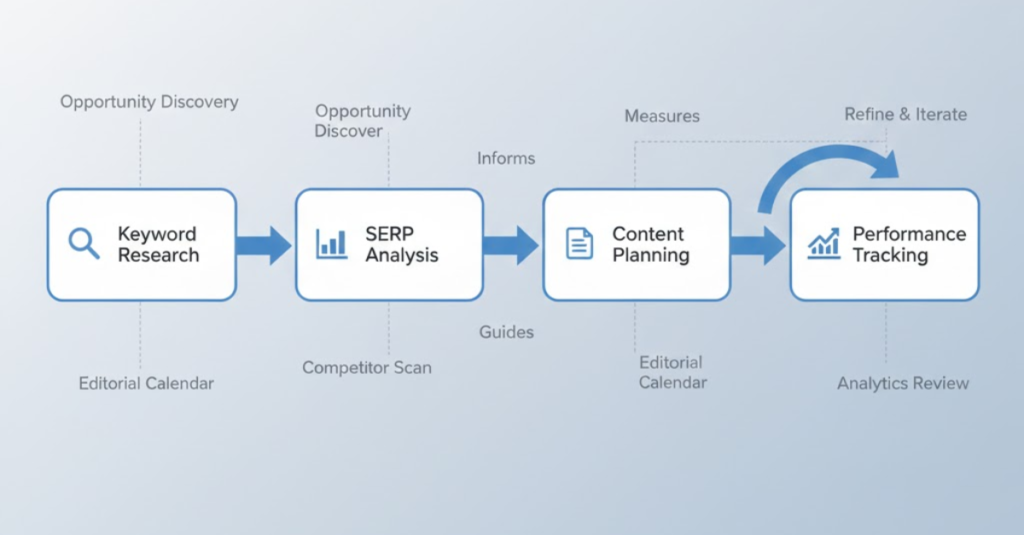
The faster refresh cycle helps SEOs respond to trends sooner. The new filters reduce guesswork when prioritizing keywords for:
- Content clusters
- Product pages
- Programmatic SEO
- Topical authority building
In practice, this means fewer wasted content investments and better alignment between keyword research and actual ranking outcomes.

Who Benefits the Most From This Update?
- SEO agencies managing multiple clients with different intent profiles
- Content teams planning long-term editorial calendars
- SaaS marketers targeting high-intent, low-volume keywords
- Publishers operating in fast-moving niches
For beginners, the added filters may feel overwhelming. But for experienced users, they unlock a level of control that was previously missing.

Final Thoughts
Ahrefs’ latest Keyword Explorer update reinforces a clear message: SEO tools are no longer just about finding keywords—they’re about understanding search ecosystems in real time.
By improving filtering precision and speeding up data refresh, Ahrefs is quietly strengthening its position as a tool built for serious SEO professionals, not just surface-level research.
In a landscape where search behavior evolves weekly, having faster and more nuanced keyword insights isn’t a luxury it’s a necessity.