


Google has quietly continued to evolve how its search algorithms evaluate product review content, signaling yet another shift in how review sites and affiliate publishers should approach SEO and content creation. While Google no longer announces standalone “product review algorithm” rollouts like it did in the early 2020s, the principles that govern product review rankings have been increasingly folded into broader core update changes and quality systems.
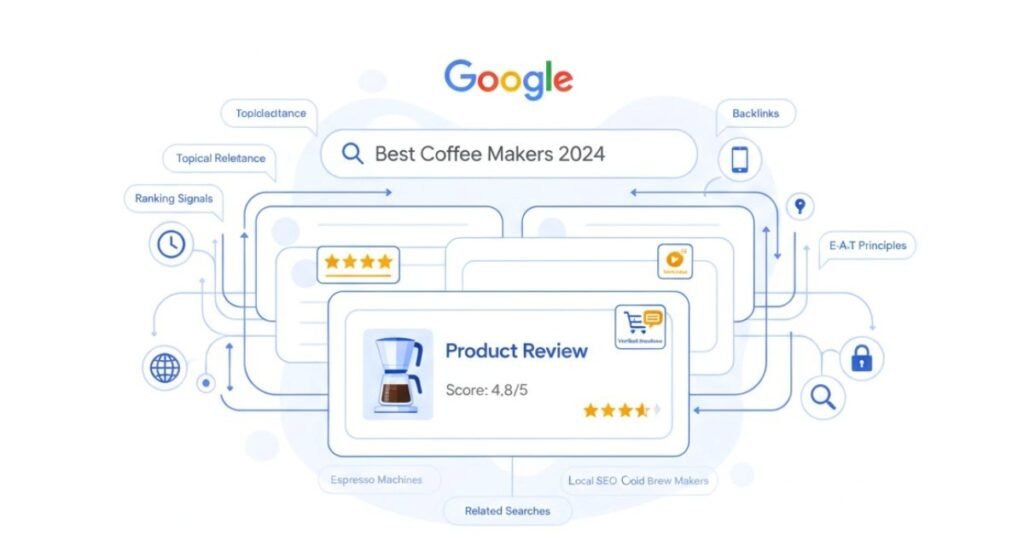
What’s Happening With Product Reviews in Google Search
Historically, Google periodically released updates targeting how product review content was ranked with the explicit aim of rewarding in-depth, thoughtful, and research-based reviews over thin, generic pages. Between 2021 and 2023, multiple major product review updates were announced and rolled out, each adding layers of criteria to favor reviews that showcase actual experience and original insight.
Today, however, Google’s Search ranking systems no longer isolate product review changes as separate, standalone algorithm updates. Instead, the ranking logic that once powered those updates has been incorporated into broader ranking improvements, especially through core updates and the ongoing “helpful content” and quality signals that guide Google Search in 2025.
This shift means that while there may not be a new, branded “product review algorithm update” announcement from Google Search Central, the impact of those rules continues to matter and in many ways carries more weight than ever because they are embedded in the central ranking systems.
What Google Wants From Product Reviews
Google’s product review ranking expectations originally published and continually refined in Search Central guidance emphasize features such as:
- Genuine first-hand experience with the product being reviewed
- Evidence of actual testing or usage
- Unique insights beyond generic specifications
- Comparisons and quantitative evaluation
- Citations or links to credible sources where appropriate
When product review guidelines were actively announced as discrete updates, Google stressed that review pages should “describe what sets the product apart, how it performs, and why one might choose it over others” rather than simply regurgitating manufacturer claims or assembling a comparison based on specs alone.
In 2025, these principles remain central. Sites that consistently create superficial, template-style review content are far more likely to see ranking volatility or decline compared to those that invest in genuine expertise and original analysis.

How These Changes Appear in Broader Algorithm Updates
Rather than isolated review updates, Google now rolls improvements into core ranking systems and quality signals that affect all types of content including product reviews.
For example:
- Recent 2025 core algorithm changes continue the trend of rewarding depth, relevance, and authority over surface-level content.
- SEO observers report ongoing adjustments that implicitly affect review rankings through updated quality and relevance metrics.
- Industry analysts note that content demonstrating first-hand experience and expertise consistently outperforms generic review pages in search results.
SEO professionals and publishers no longer see “product review updates” in isolation on their Google Search Console dashboards or status pages instead, they see ranking fluctuations contextualized alongside broader core and quality system shifts.
Industry Reaction and Publisher Impact
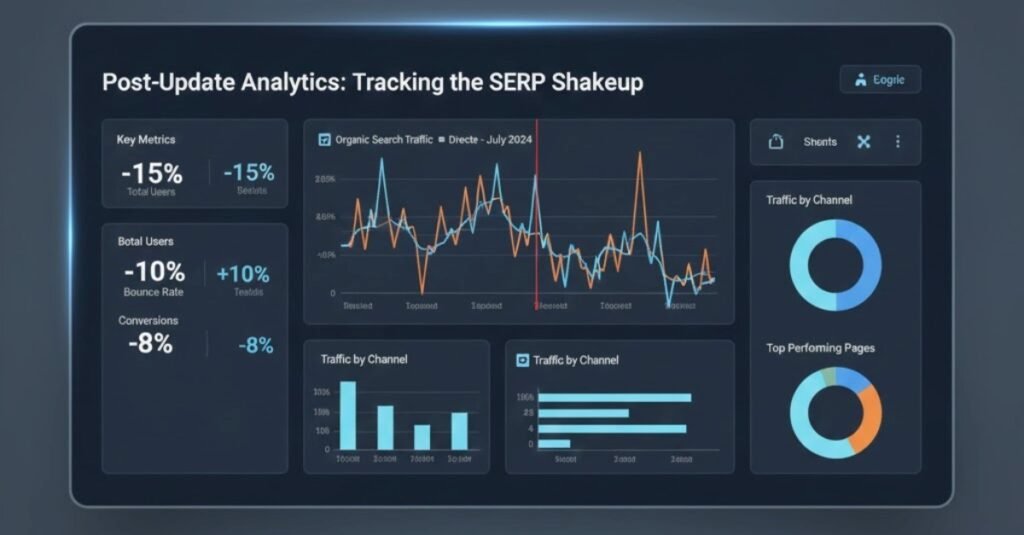
When Google’s product review updates were first introduced, the impact on review sites was significant: some publishers saw dramatic traffic drops if their content was shallow or lacked first-hand insight. This phenomenon was widely documented in publisher circles and search forums, with some sites losing up to 90% of visibility after failing to meet quality criteria.
Today, SEO professionals share experiences that echo similar concerns albeit in the context of evolving core systems rather than discrete review rollouts. Public discussions on SEO forums indicate that many publishers suspect product review logic still plays a role in ranking volatility, especially when related to the Helpful Content and broader content quality criteria. Experts note that because product review principles are now part of the core quality evaluation, publishers that continue to produce shallow, templated content are likely to underperform relative to competitors who invest in detailed, expert-driven reviews

What SEO Experts Recommend Now
Given these ongoing algorithmic shifts, SEO specialists offer consistent advice for anyone producing product review content:
1. Focus on First-Hand Experience
Content should reflect genuine use or testing of the product not just compilation of public specifications.
2. Provide Original Insight
True review content goes beyond the basics to explain why a product performed a certain way, including strengths and limitations.
3.Include Evidence
Photos, benchmark results, user scenarios, video clips, and other original assets help establish credibility.
4. Align With Core Content Quality Signals
Ensure overall page quality, uniqueness, and relevance factors now deeply embedded in Google’s ranking frameworks.
These recommendations align with broader trends in search, where Google’s helpful content systems reward authenticity and penalize thin, duplicated, or AI-generated pages lacking real depth.

Conclusion – What This Means Going Forward
While Google may no longer announce frequent named product review algorithm updates, the spirit of those updates lives on within the core ranking systems.
- The same criteria that once drove standalone product review rollouts experience, analysis, usefulness, insight now contribute directly to how all content is evaluated.
- Publishers and SEO professionals must treat product reviews as long-term content quality investments, not short-term ranking hacks.
- Authenticity, expertise, and user centricity have become foundational ranking signals, deeply woven into Google’s broader algorithm landscape.
In 2025 and beyond, improving product review rankings means embracing real expertise and insight, not chasing signals that have been subsumed into larger quality systems. That’s the central, enduring lesson from Google’s ongoing search evolution.