


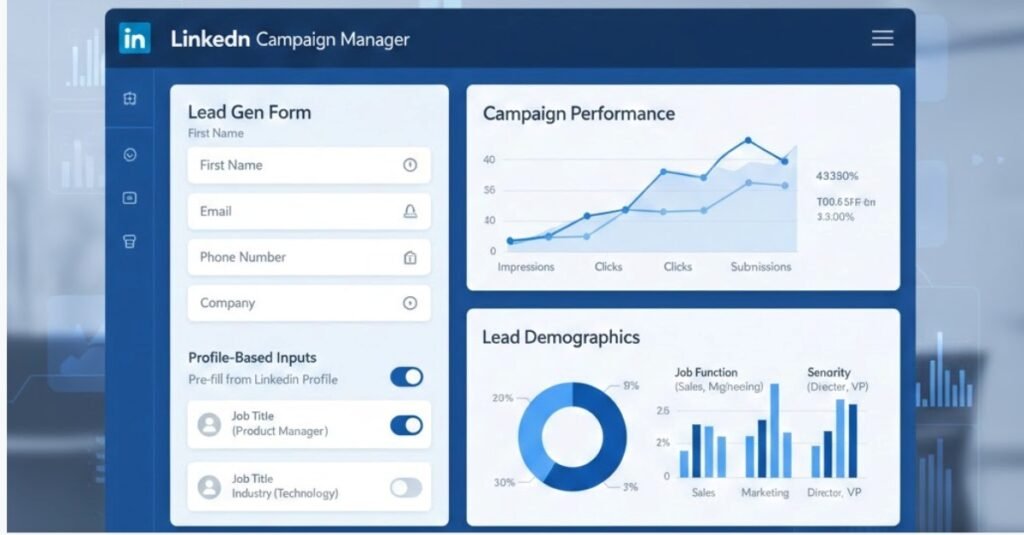
LinkedIn has introduced enhancements to its Lead Gen Forms, giving advertisers more flexibility and insight into the leads they collect from sponsored content campaigns. The updates aim to make forms more dynamic, trackable, and useful for B2B marketers navigating increasingly competitive audience environments.
While LinkedIn hasn’t published an official press release yet, recent documentation changes and advertiser feedback indicate that more advanced form fields and tracking parameters are now supported. These improvements build on LinkedIn’s longstanding goal of enabling seamless B2B lead capture on its platform, which has grown into a central channel for professional audience engagement.
What’s New: Dynamic and Hidden Field Support
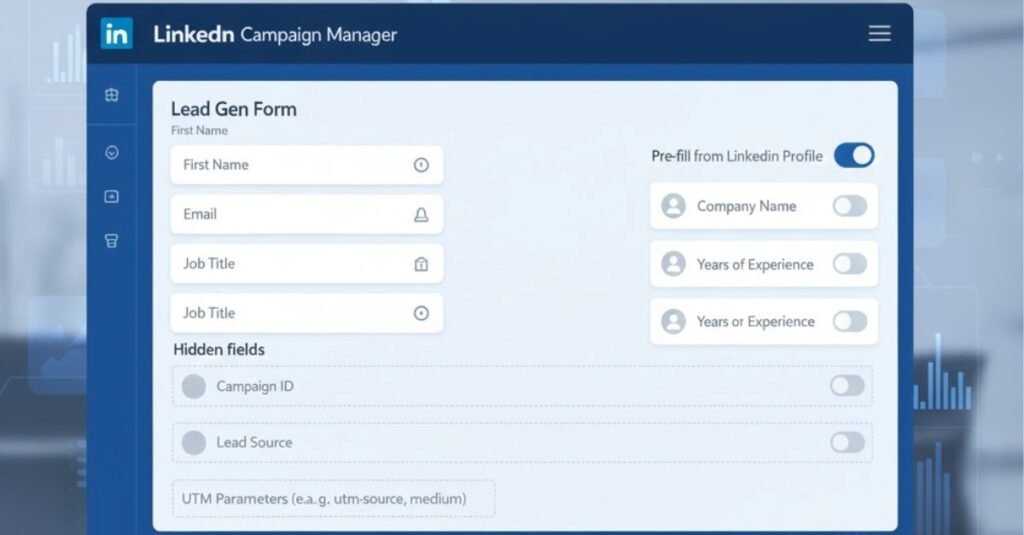
One of the most notable additions is support for hidden fields custom metadata that doesn’t appear to users but is recorded in the lead submission data. Hidden fields let advertisers enrich their lead capture reports with valuable context such as campaign source, asset identifiers, and tracking parameters.
According to LinkedIn’s help documentation, these hidden fields can be configured when creating new Lead Gen Forms in Campaign Manager. They are not visible to users filling out the form but appear in reports and can be used for deeper performance analysis or CRM integrations.
Dynamic URL tracking parameters can also be mapped into hidden fields, enabling marketers to track variations in creative, source, or audience segment without creating separate forms. This aligns with broader trends in digital marketing toward more granular attribution and campaign analytics.
Why This Matters for B2B Marketers
LinkedIn Lead Gen Forms have long been a staple for B2B lead generation because they auto-populated user profile data such as name, email, job title, and company reducing friction for prospective leads and improving form completion rates.
With the rollout of enhanced form fields, marketers now have more flexibility to:
- Tag leads with campaign metadata without burdening users with more questions
- Track performance across different ad sets and creative variations
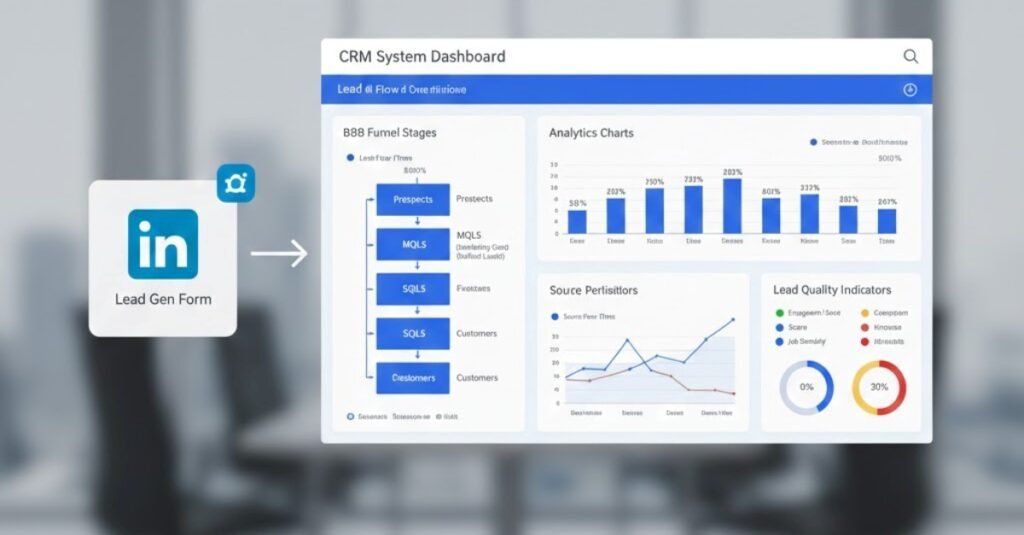
- Better integrate LinkedIn leads into end-to-end systems like CRMs or automation platforms
These improvements are especially relevant for marketers using advanced analytics or automation platforms like HubSpot or Salesforce, which can use the additional context to trigger segmented workflows, scoring, or personalized outreach.
Deeper Data, Fewer Clicks – The Tradeoff
The updated form capabilities reflect a deeper shift in social advertising toward smarter capture and richer data. Rather than asking users to manually enter more information a tactic that typically lowers conversion rates hidden fields allow marketers to record complex tracking data without adding friction.
However, some industry professionals caution that while richer data is valuable, it can also expose weaknesses in data hygiene and CRM integration. For example, syncing new dynamic fields with external lead management tools sometimes requires additional configuration or custom field mapping in platforms like HubSpot.
Integration and Workflow Considerations
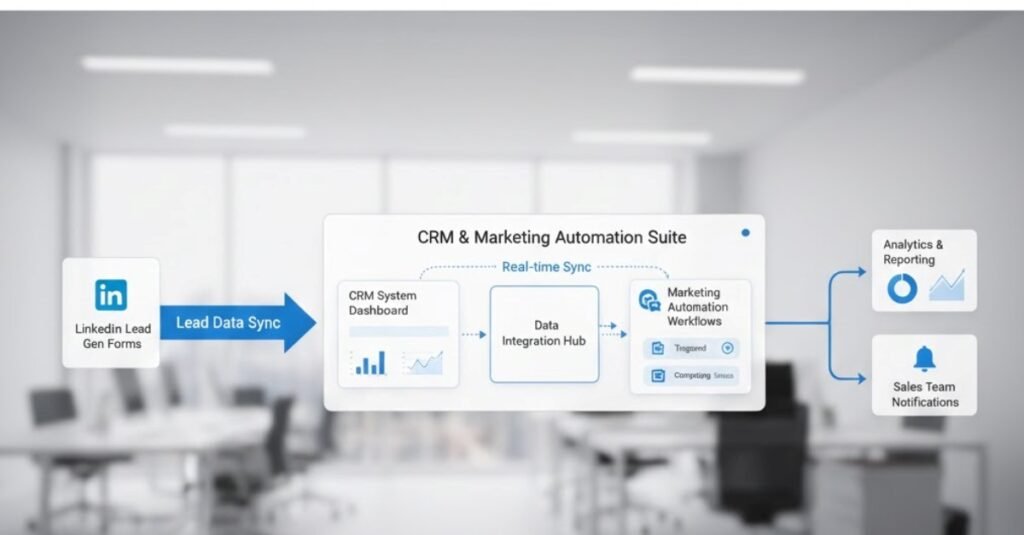
As LinkedIn enhances its lead capture tools, integration with third-party systems becomes ever more critical. New form fields especially custom or hidden ones must be properly mapped in CRMs and marketing automation platforms to ensure data is usable and actionable.
LinkedIn Lead Gen Forms can natively sync with many CRM and marketing platforms, but some integrations may require manual export or third-party connectors. Those integrations can help automatically feed rich lead data including the new dynamic parameters into workflows for scoring, nurturing, or routing.
Expert Perspective: A Step Forward, With Implementation Nuance
Industry observers see the updates as a pragmatic response to real marketer needs.
“Marketers increasingly demand context around each lead not just contact info,” notes one B2B marketing strategist. “Adding hidden and dynamic fields lets platforms like LinkedIn remain competitive with other lead capture providers by offering richer datasets without compromising form completion.”
This mirrors a broader trend in digital advertising where capturing quality leads with actionable data outweighs capturing quantity alone especially in B2B scenarios where SDR teams rely on relevant context to personalize follow-ups.

What Marketers Should Do Next
To get the most out of LinkedIn’s updated Lead Gen Forms, experts recommend the following:
- Review and update form template Audit any existing LinkedIn lead forms to ensure they use the latest field capabilities and include relevant hidden tracking tags to aid reporting.
- Align fields with CRM workflow Coordinate with your CRM or marketing automation team to confirm that new dynamic and hidden fields are properly mapped and synced.
- Test and measure impact Run A/B tests with and without hidden fields to evaluate whether enriched metadata improves lead quality, segmentation, and conversion downstream.
- Use analytics to refine segmentation Make use of dynamic URL parameters to capture data such as campaign variation or audience segment, then incorporate this into analytics dashboards for better performance insights.
Conclusion
LinkedIn’s enhancements to its Lead Gen Forms, including dynamic and hidden field capabilities, are a notable evolution in how the platform supports B2B lead capture. By enabling richer tracking without adding user friction, these updates give marketers more tools to understand, segment, and act on leads at scale.
As with any platform innovation, the value ultimately depends on how data is integrated into broader sales and marketing systems. For teams that invest effort into integrating and analyzing LinkedIn lead data, this update represents a meaningful step toward more intelligent and context-aware marketing campaigns on the world’s largest professional network.